

There is a lot of confusion regarding Probiotics and Digestive Enzymes, because these products have similar uses. To clarify this issue, in the following article, Biogency will distinguish probiotics and digestive enzymes in the most detailed way!
- What are probiotics?
- What are digestive enzymes?
- The difference between probiotics and digestive enzymes
- Notes when using probiotics and digestive enzymes
- Intestinal probiotics for shrimp
What are probiotics?
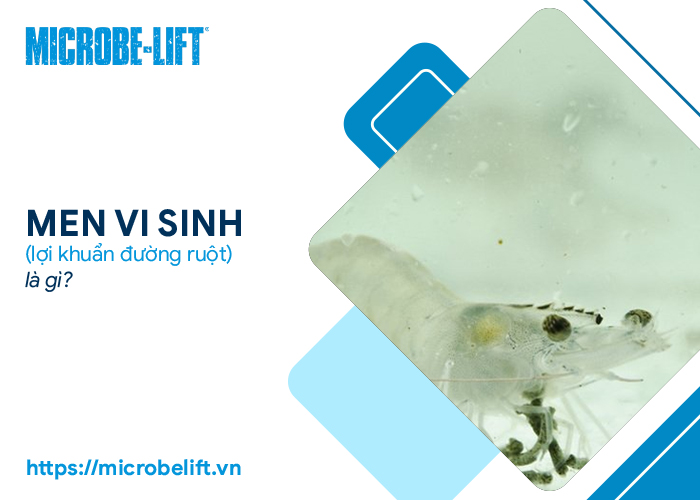
Probiotics are biological products containing beneficial microorganisms for the intestines, helping to balance the intestinal flora. When probiotics are provided to shrimp, beneficial microorganisms enter the intestinal wall, helping shrimp digest food well and preventing harmful bacteria from growing.
The ingredients of intestinal probiotics are usually Bacillus strains, such as: Bacillus subtilis, Bacillus pumilus, Bacillus amyloliquefaciens and Bacillus licheniformis, … In addition, there are also Saccharomyces and probiotic buffers containing many beneficial microorganisms to increase intestinal activity of shrimp. In the narrow living space of the intestine, in addition to beneficial bacteria, there are also many harmful bacteria, waiting for the opportunity to develop. But if the shrimp intestine is enriched with beneficial microorganisms, they can compete with harmful microorganisms to help reduce the risk of disease in shrimp.
In addition, beneficial bacteria also have the effect of inhibiting harmful microorganisms (causing intestinal diseases in shrimp) to prevent and fight intestinal diseases in shrimp, especially white feces disease.
What are digestive enzymes?

Digestive enzymes are often called digestive enzymes. Normally, the shrimp digestive system will create enzymes in the intestines, these digestive enzymes have the ability to help the shrimp body break down carbohydrates, fats and proteins from food. And this is very necessary for the body to absorb nutrients and help the shrimp’s health to always be in the best condition.
Digestive enzymes can be added to shrimp feed at every meal. This will help improve the shrimp’s digestive system when they do not produce enough essential enzymes, making it difficult to digest food.
The difference between probiotics and digestive enzymes
| Factors | Probiotics | Digestive Enzymes |
| Ingredient | Probiotics are preparations containing beneficial microorganisms for the intestinal tract. | Digestive enzymes are manufactured compounds that act similarly to the host’s digestive enzymes. |
| Uses | Probiotics help shrimp digest food well and prevent the growth of harmful bacteria. In addition, probiotics help strengthen the intestinal microflora of shrimp, helping the shrimp intestines to be large, beautiful, even, and uninterrupted. Limit intestinal diseases and white feces disease in shrimp | Helps shrimp break down carbohydrates, fats and proteins from food. Shrimp can absorb nutrients more easily. |
| Objects and purposes of use | Shrimp have intestinal bacterial imbalance, this condition is common in shrimp that have just been treated with antibiotics. Probiotics also help shrimp easily absorb vitamins.Especially during the shrimp farming stage, the pond has problems such as shrimp not eating, excess food, etc. | Shrimp that need to use digestive enzymes are those whose intestines have difficulty digesting certain types of food (shrimp are stunted, slow growing, and grouped). |
| Time of use | Probiotics can be used throughout the rearing process. | Use in the period of 5 – 10 days after stocking in combination with food to enhance the ability to absorb nutrients. |
Notes when using probiotics and digestive enzymes
When using probiotics and digestive enzymes, you need to note the following to get the best results:
For probiotics
- Avoid using antibiotics when taking probiotics
- In case of using antibiotics, you can use probiotics about 2 hours later.
- Do not mix probiotics with hot or warm water, because high temperatures can destroy the beneficial bacteria in probiotics.
- Farmers can use probiotics by mixing them with pond water or directly into shrimp feed.
For digestive enzymes
- Use digestive enzymes to improve the shrimp’s digestive system for at least 2 weeks. Do not use digestive enzymes continuously or for longer than this period of time.
- Do not overuse digestive enzymes because the shrimp’s intestines will be adversely affected and digestive secretions will easily decrease.
- Digestive enzymes are effective when used for shrimp from 5 to 10 days old after stocking.
- Avoid using digestive enzymes when shrimp are hungry, at this time the digestive system activates intestinal secretion, so using digestive enzymes will be very harmful to shrimp.
Intestinal probiotics for shrimp
Microbe-Lift DFM is a line of probiotic products that provide beneficial bacteria for the shrimp’s intestines, used in preventing white feces disease and intestinal diseases in shrimp thanks to containing 4 strains of beneficial bacteria necessary for the intestinal system, including: Bacillus subtilis, Bacillus pumilus, Bacillus amyloliquefaciens and Bacillus licheniformis.
Using Microbe-Lift microorganisms to stabilize beneficial microorganisms in water and shrimp intestines is a method that many farmers have applied and succeeded. With a product line specializing in treating and stabilizing shrimp intestines – Microbe-Lift DFM will help:
- Enhance nutrient absorption for shrimp.
- Helps shrimp digest and absorb maximum nutrients.
- Enhance intestinal microflora for shrimp, help shrimp stay healthy
- Limit intestinal diseases and white feces disease in shrimp.
In addition, combined with the Microbe-Lift AQUA N1, AQUA C and AQUA SA microorganisms to complete the process of creating a favorable microbiological system for shrimp ponds. Containing Nitrosomonas and Nitrobacter , AQUA N1 is one of the few products on the market that can effectively remove toxic gases in shrimp ponds.
AQUA C is a highly active liquid microorganism that helps decompose feces and leftover food of shrimp and fish, treat and clean pond water, create an environment to help shrimp and fish increase resistance, grow quickly and improve meat quality. AQUA SA helps accelerate the decomposition of bottom mud, accelerate the decomposition of the surface of hard scum and organic matter that is difficult to decompose, and reduce toxic gases produced by bottom mud.
—————————–
Biogency has just shared with readers how to distinguish between probiotics (intestinal beneficial bacteria) and digestive enzymes. At the same time, Biogency hopes that, through the above article, it can help people distinguish between probiotics and digestive enzymes as well as how to use them properly. For more advice on how to treat shrimp pond water using biotechnology, please contact Biogency immediately at Hotline: 0909 538 514